Cybersecurity + AI Automation Engineer
Secure AI Automation for the Next Generation of Cybersecurity.
I design and build AI-powered security workflows that help teams triage alerts, assess risk, generate reports, and respond faster with human approval, audit logs, and secure-by-design controls.

About
A focused builder with a futuristic product instinct.
Dhruvil Patel Project presents development, design, security, and automation as one connected craft.
Creative technical execution
I design and build digital products that feel sharp from the first click: strong hierarchy, useful motion, clean data structures, and backend paths ready for real users.
Build
Turn product ideas into responsive interfaces, APIs, and polished launch-ready experiences.
Secure
Apply cybersecurity thinking to reduce risk, improve flows, and keep systems easier to reason about.
Automate
Use AI workflows and backend services to remove repeated work and speed up decisions.
Frontend systems
Security awareness
Automation strategy
Skills
Cybersecurity capabilities built for real-world defense.
Pentesting, SOC analysis, AI workflow design for security, SIEM dashboarding, EDR operations, and security automation.
Penetration Testing
SOC Analysis
AI Security Workflows
SIEM Dashboards
EDR Operations
Security Engineering
Interactive preview
Let visitors touch the security workflow immediately.
The demos are safe, synthetic, defensive, and designed to prove how AI can support analysts without becoming an offensive tool.
Risk Score
82
Suspicious login reviewed
Decision
Review
Human approval required
Guardrail
Passed
No exploit guidance
Synthetic alert summary
New-location login, repeated MFA prompts, and mailbox rule changes combine into a high-risk account compromise scenario. The workflow recommends session review, user validation, evidence capture, and analyst approval before disruptive action.
Responsible-use boundary
No real scanning, no live targets, no malware, no credential theft, no phishing kits, and no exploit procedures. The experience redirects risky prompts toward detection, hardening, monitoring, reporting, and secure design.
Open Demo LabWhat I build
Security automation that is explainable, bounded, and useful.
The platform frames cybersecurity as product thinking: clear workflows, safe constraints, practical architecture, and measurable business value.
AI-assisted SOC workflows
Triage, enrichment, risk scoring, response recommendations, and report drafting with visible approval gates.
Secure-by-design AI interfaces
Prompt safety, data minimization, refusal paths, and structured outputs that avoid harmful cybersecurity behavior.
Audit-ready automation
Minimal metadata, guardrail status, evidence notes, and responsible ownership for every workflow decision.
Live demos
A safe cybersecurity lab visitors can explore.
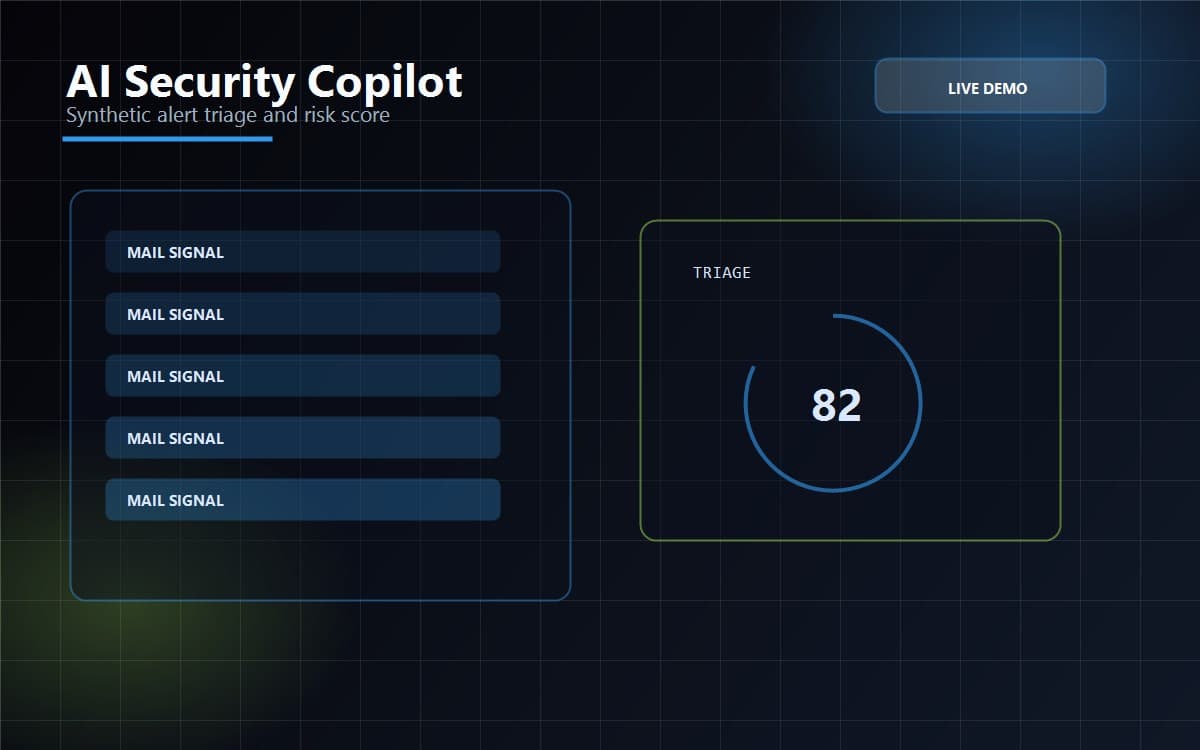
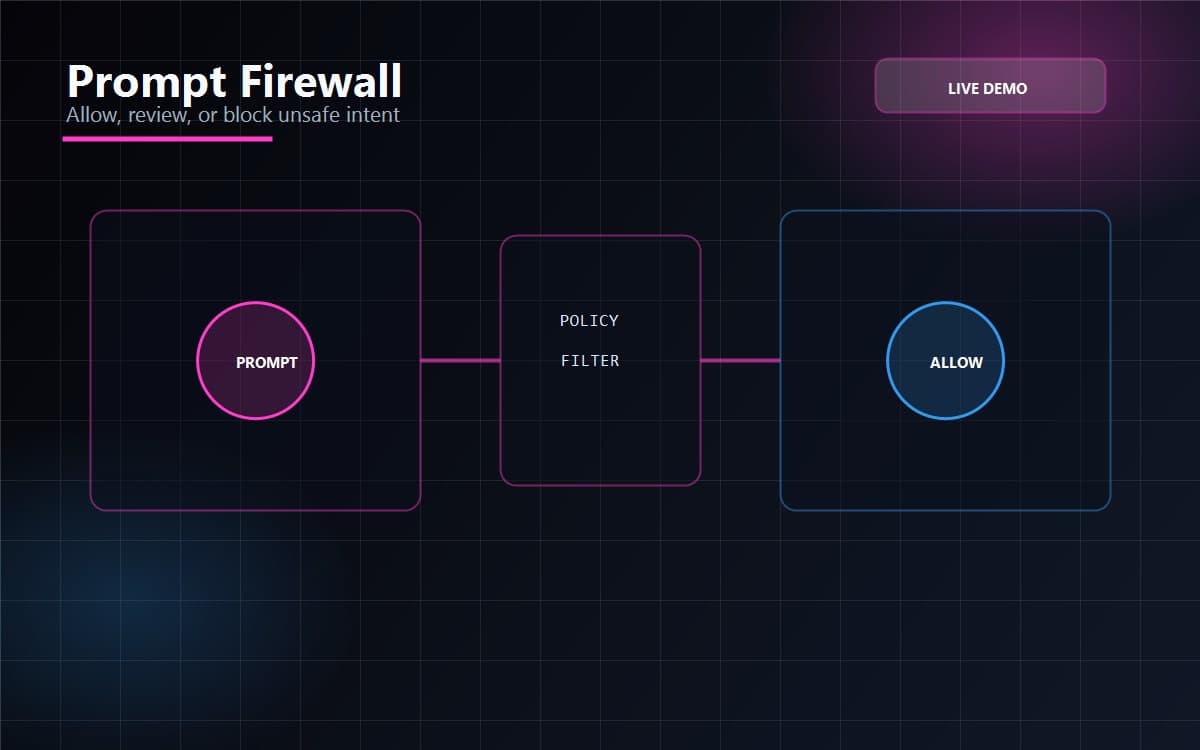
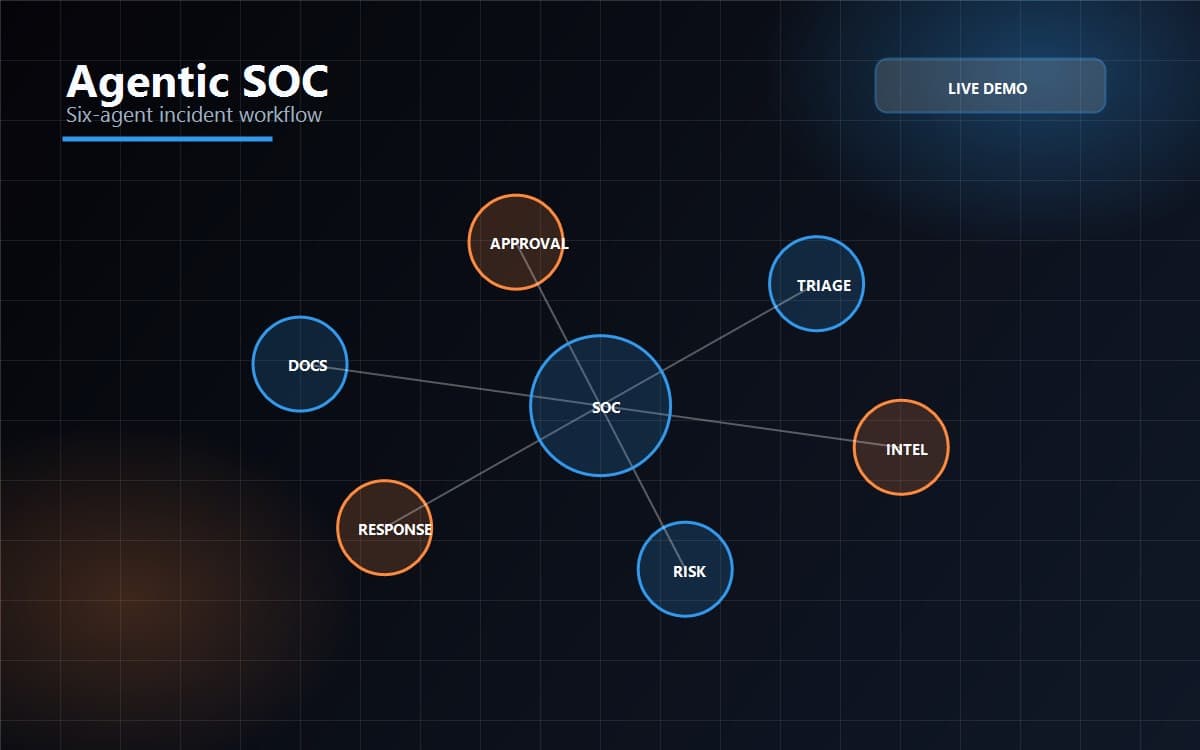
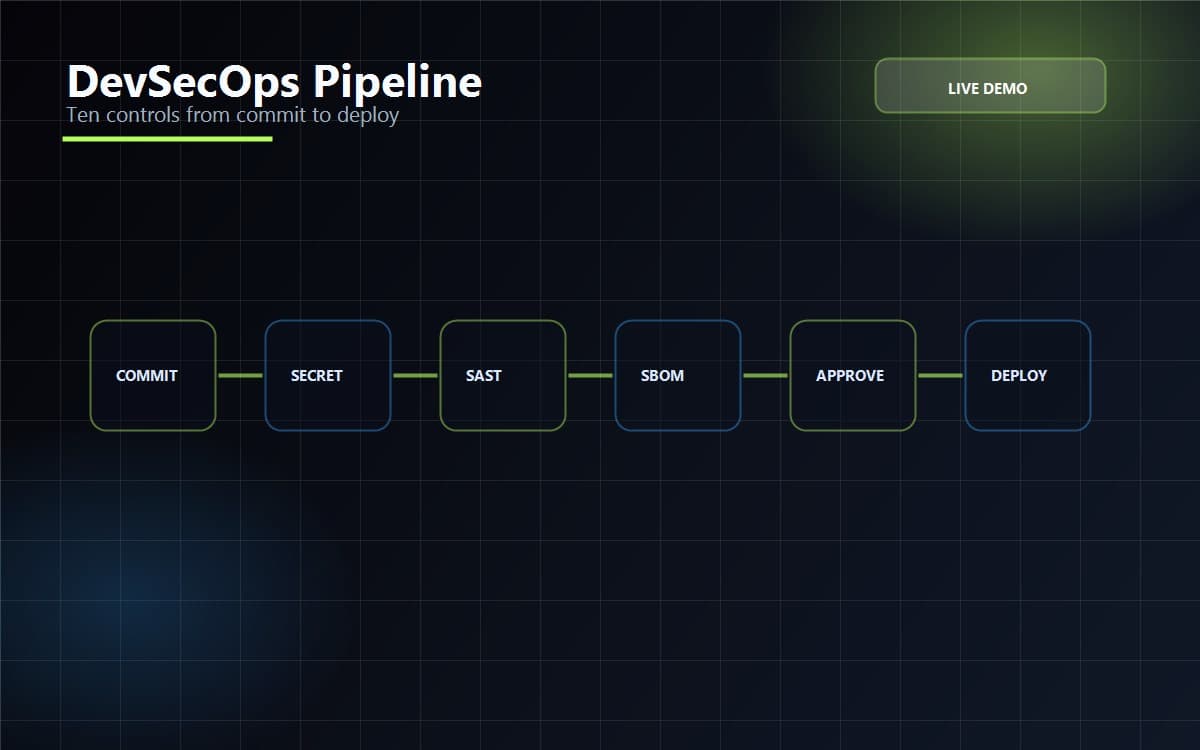
Seven interactive modules demonstrate defensive AI automation, prompt safety, SOC workflow design, secure delivery, identity risk, reporting, and digital twin assessment.
Projects
Architecture-backed case studies, not generic portfolio cards.
Each project explains the problem, system design, security controls, AI automation layer, business value, and lessons learned.
 SOC Automation
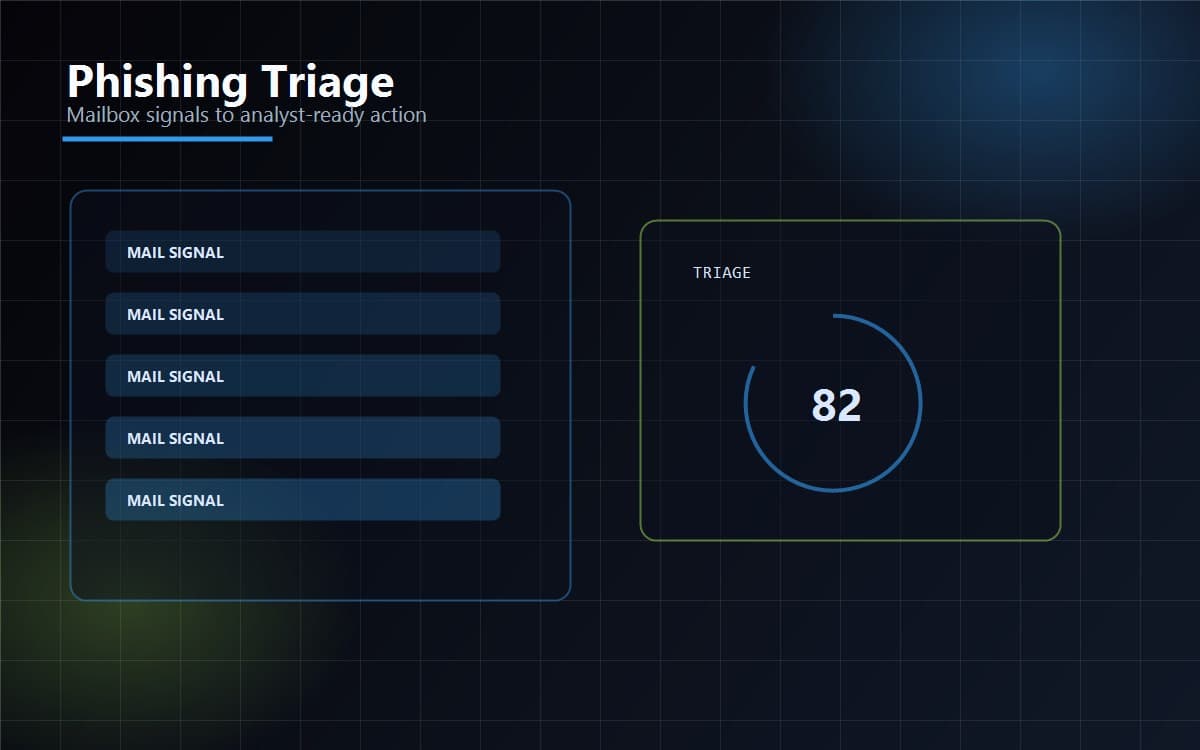
AI-Powered Phishing Triage Assistant
A defensive assistant that turns reported email signals into analyst-ready triage summaries and approval steps.
 AI Security
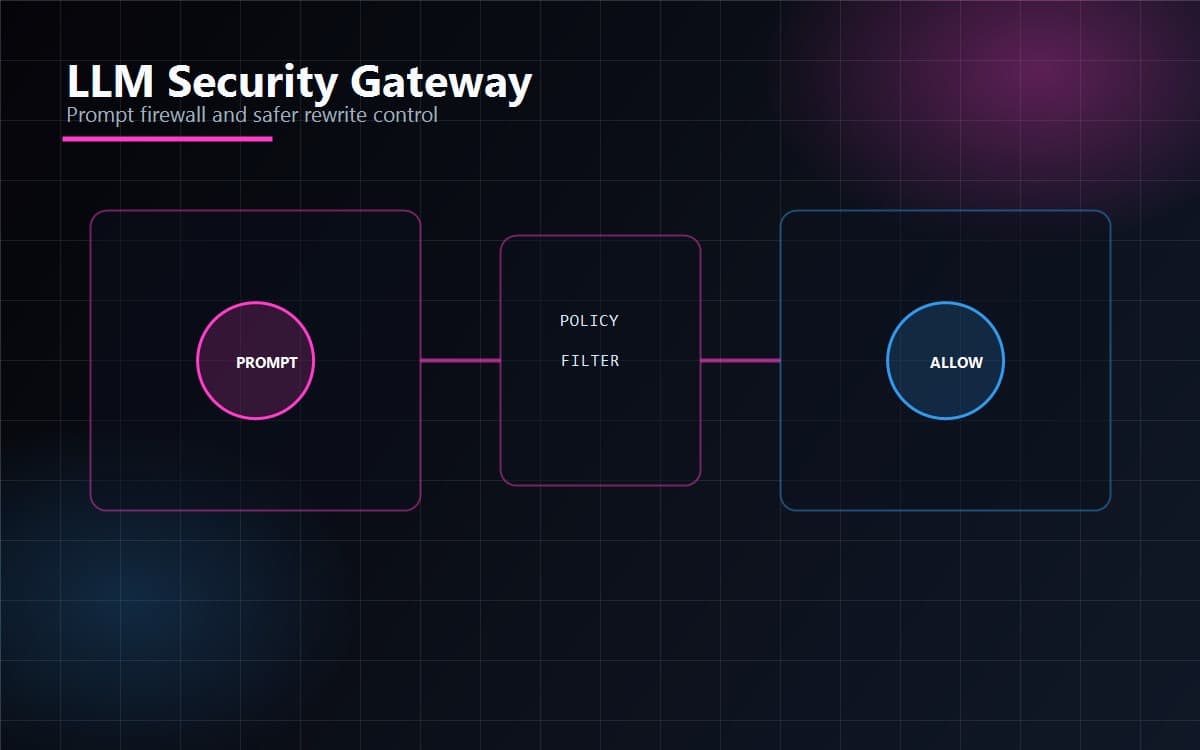
LLM Security Gateway
A prompt firewall concept that detects unsafe cybersecurity intent, prompt injection, and data leakage risk.
 Cloud Risk
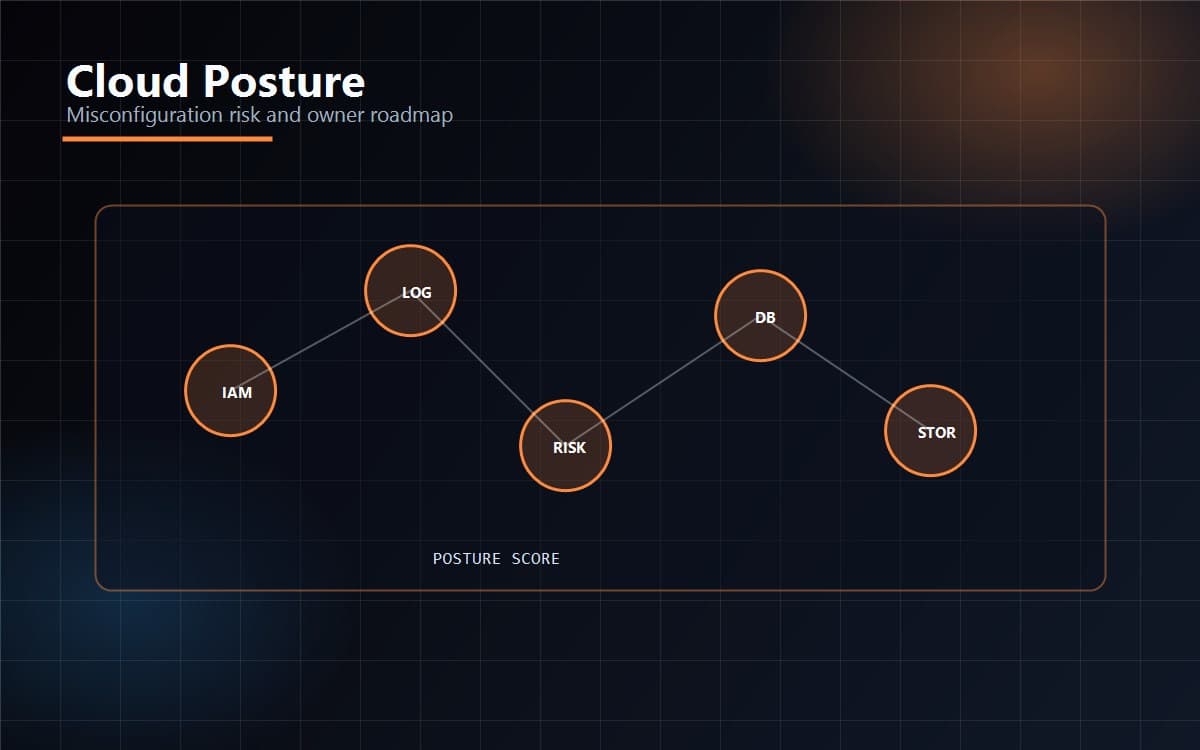
Cloud Security Posture Analyzer
A synthetic cloud posture workflow that prioritizes misconfiguration risks and owner-ready remediation notes.
 DevSecOps
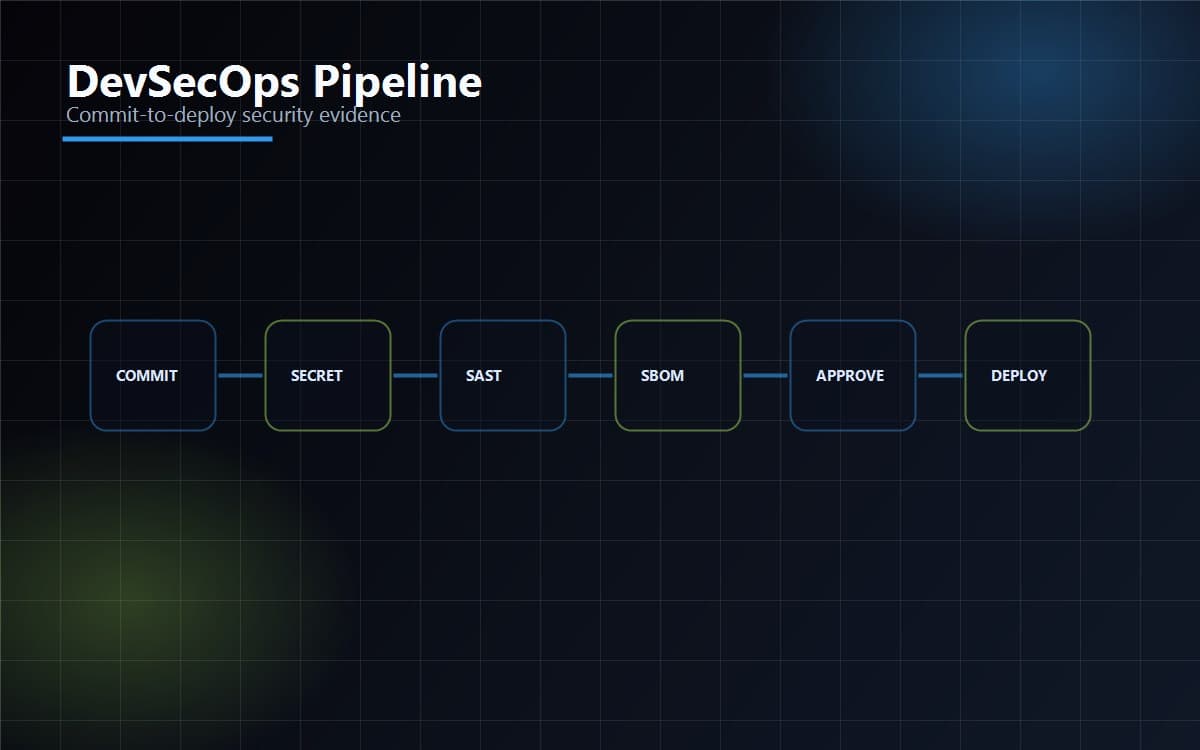
DevSecOps Risk Summarizer
A secure delivery visualizer that explains pipeline controls from commit through deployment approval.
Security automation toolkit
Reusable building blocks for serious security workflows.
The V1 system is built from modular pieces that can grow into real product workflows later.
Prompt firewall
Risk scoring
Human approval gate
Audit log panel
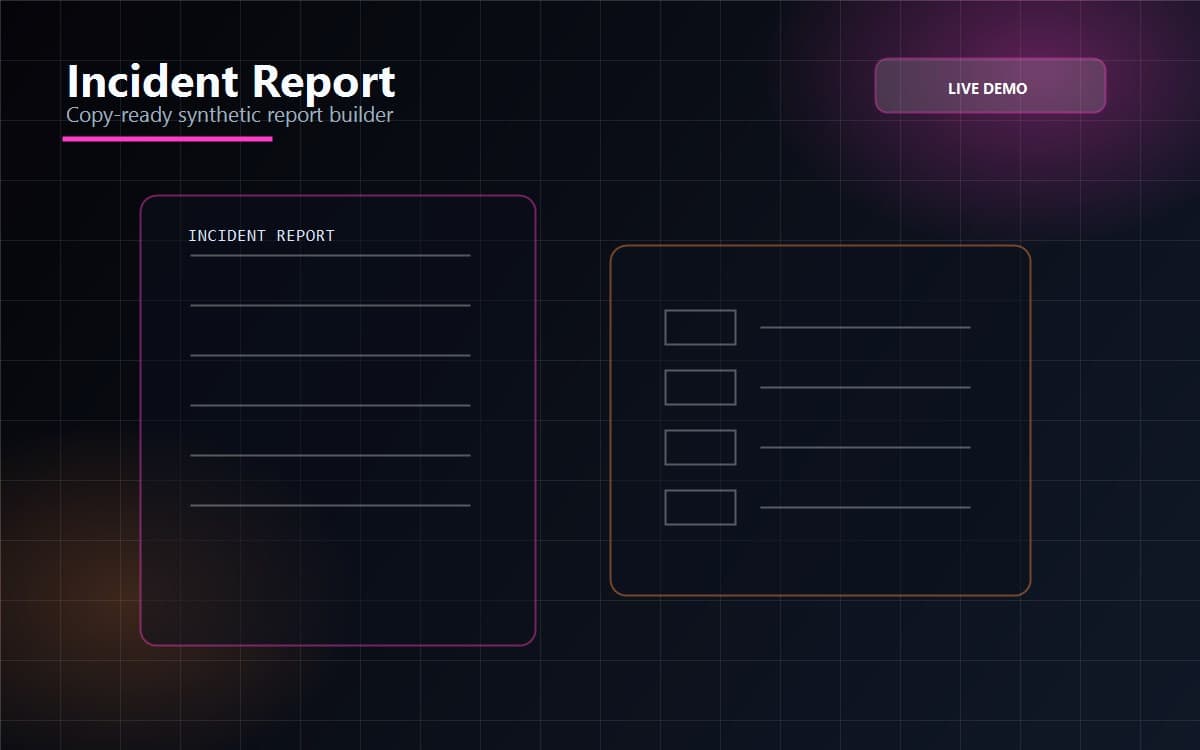
Incident report builder
DevSecOps visualizer
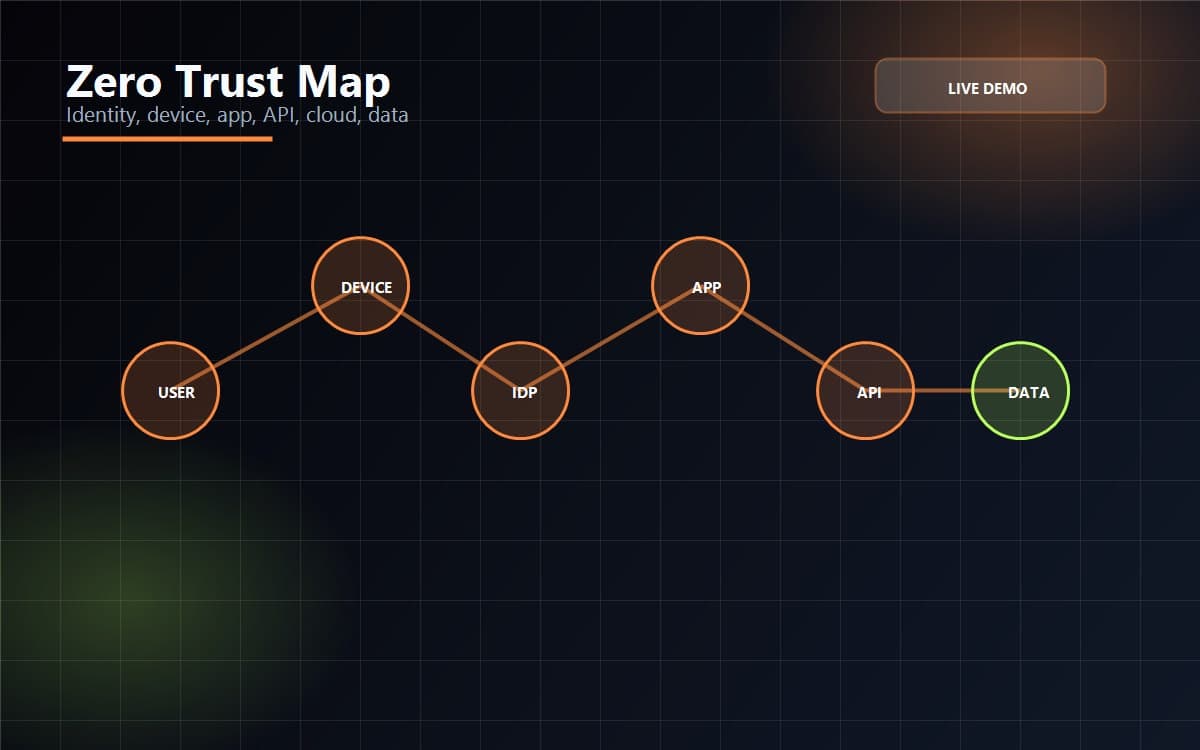
Zero Trust map
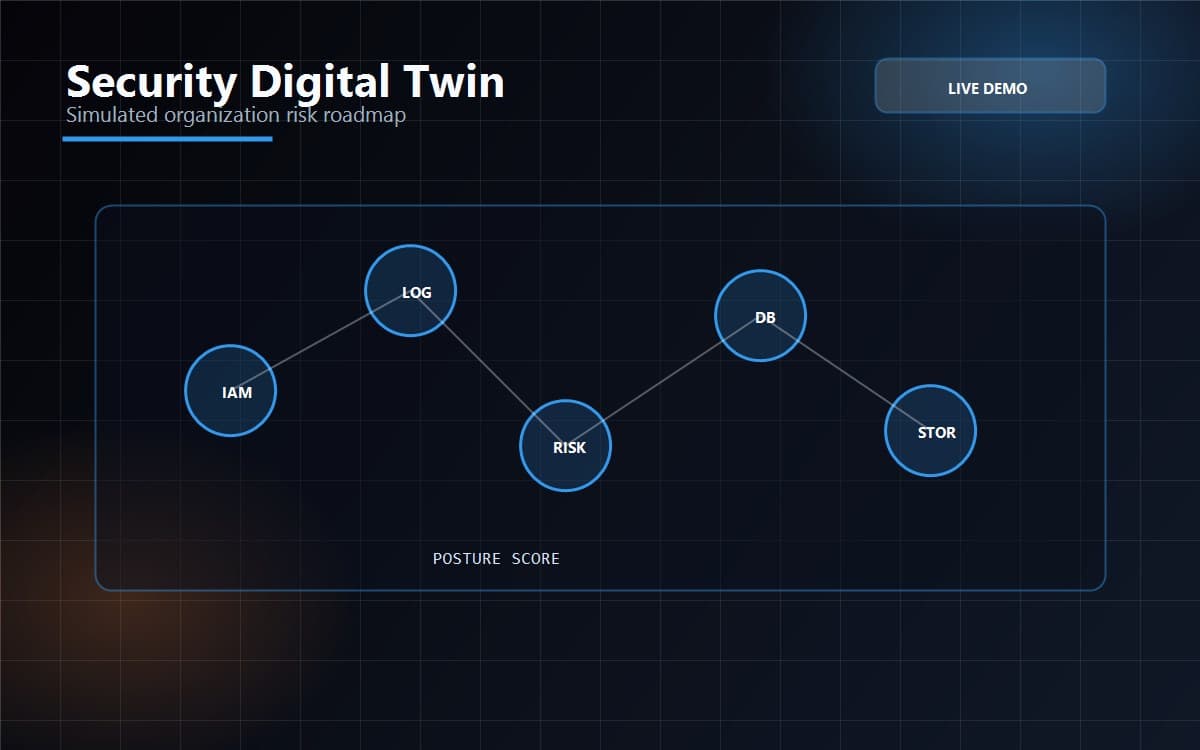
Security digital twin
Security digital twin
Turn a simulated organization into a defensive roadmap.
Visitors can assess a SaaS startup, e-commerce team, school network, healthcare-style organization, or remote cloud team.
Sample profile
SaaS startup
Maturity score
64
Most likely risks are account takeover, leaked credentials, and misconfigured customer data access.
Asset map
- GitHub
- Vercel
- Supabase
- Customer support app
Risk areas
- Secrets in CI
- Broad admin roles
- Limited incident runbooks
- Sparse audit evidence
AI automation ideas
- Pull request risk summaries
- Access review reminders
- Contact-form abuse scoring
30-day roadmap
- Week 1: identity and MFA review
- Week 2: CI secret controls
- Week 3: logging and evidence
- Week 4: tabletop exercise
Help others learn
Resources for learners building safe cybersecurity proof.
Starter ideas, prompt templates, checklists, lab guidance, report templates, and portfolio-writing support.
Cybersecurity project starter ideas
Defensive build ideas that are safe for portfolios and interviews.
Security automation templates
Reusable checklist structures for triage, reporting, and approvals.
Defensive AI prompt templates
Prompts for safe analysis, executive summaries, and report drafting.
DevSecOps checklist
A compact release checklist for secure delivery pipelines.
Incident report template
A safe, structured incident report format for learners and analysts.
Insights
Security automation notes for learners and builders.
Plain-English breakdowns of AI agents, human approval, prompt injection, DevSecOps, portfolio strategy, and Zero Trust.
Incident Response Copilot
How AI Agents Are Changing Cybersecurity Workflows
A practical look at where agents help analysts and where human approval must stay in the loop.
Read MoreAI-Powered Phishing Triage Assistant
Building Human-in-the-Loop Security Automation
How to design automation that helps security teams move faster without removing accountability.
Read MoreLLM Security Gateway
Why Prompt Injection Matters for Security Teams
Prompt injection is not just an AI problem; it is a trust-boundary problem with security consequences.
Read MoreSecurity Experience Platform
How to Build a Cybersecurity Portfolio That Gets Attention
The difference between a generic portfolio and a proof-driven cybersecurity platform.
Read MoreDevSecOps Risk Summarizer
DevSecOps Pipeline Explained for Beginners
A plain-English guide to secret scanning, SAST, dependency checks, SBOMs, and release approval.
Read MoreZero Trust Access Review Assistant
Zero Trust Explained Through Identity Risk
A visual way to understand users, devices, apps, APIs, cloud resources, and sensitive data.
Read MoreContact
Convert serious visitors into real conversations.
Share the workflow, project, or learning outcome you want to build. The form uses validation, consent, spam protection, and server-side Supabase writes.
Best fit
AI security automation, portfolio proof, DevSecOps, cloud and identity risk
Privacy and safety
Your information will only be used to respond to your inquiry. Do not submit passwords, secrets, confidential company data, or sensitive personal information.
Strong requests include
- Goal and audience
- Current stack or skill level
- Timeline and constraints